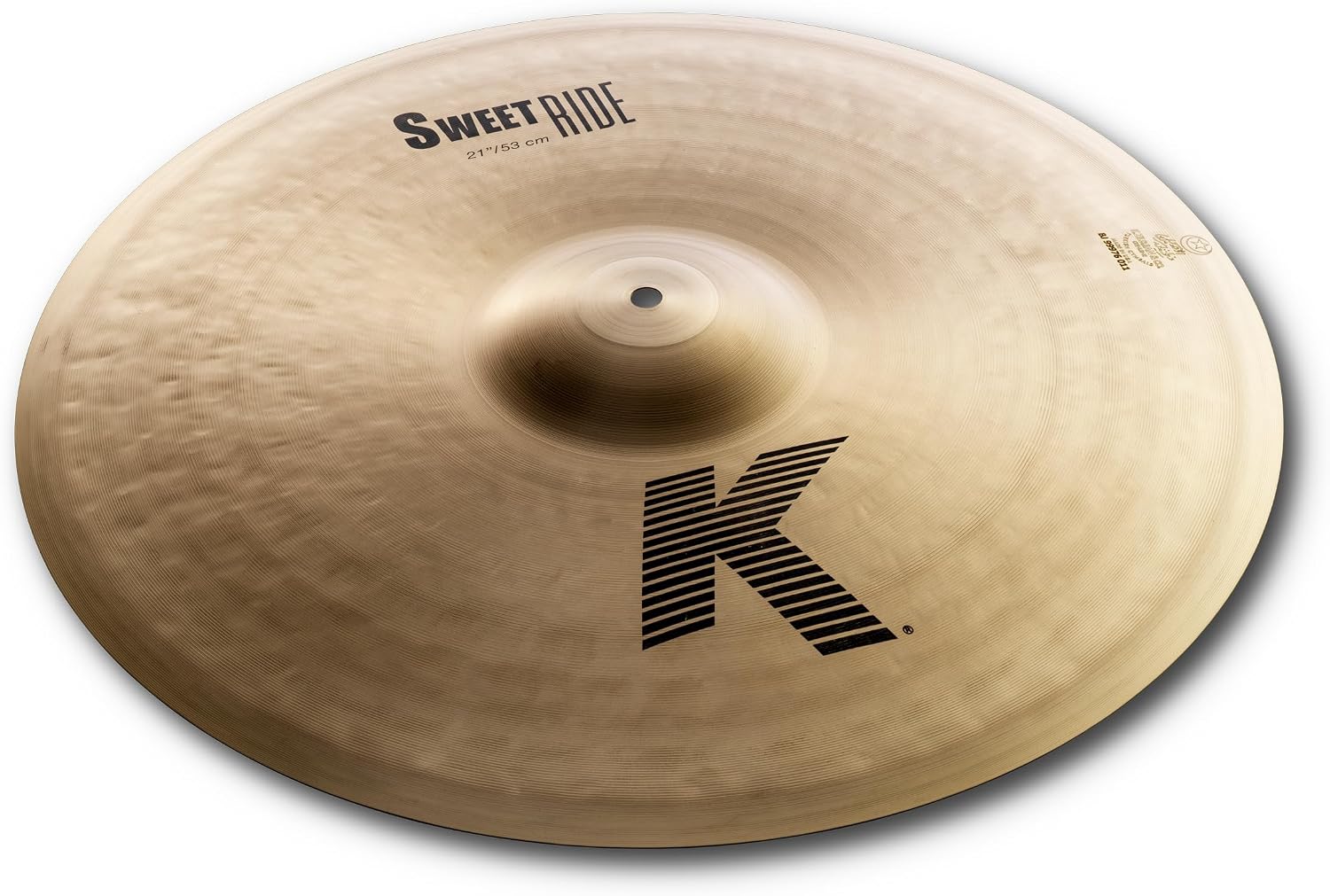
Cymbals — the bronze or brass alloy discs mounted on stands around a drum kit that produce the shimmer, crash, and ride sounds you hear in virtually every style of music — are one of the most financially loaded purchases in a drummer’s life. Unlike drum shells, which are mostly inert wood, cymbals are voice. They age, they develop character, and crucially, they hold (or shed) value on the used market in ways that vary wildly by brand, series, and how they were made. A “cymbal pack” is simply a bundled set — usually a hi-hat pair, a crash, and a ride — sold together at a discount versus buying individual pieces. The promise is convenience and savings. The reality is more complicated. Some packs are genuine long-term assets. Others are discounted for a reason. This guide breaks down which professional-grade cymbal packs are worth the buy at full price, which ones earn their keep on the resale market, and how to think about the tradeoff between what you pay today and what you recover later.
| EDITOR'S PICK[Zildjian KS5791 K Sweet Cymbal…](https://www.amazon.com/dp/B08FMX1Q1K?tag=greenflower20-20) | Mid-tier[Zildjian K0800 K Cymbal Pack -i…](https://www.amazon.com/dp/B004XLMERE?tag=greenflower20-20) | Budget pickSabian AAX Cymbal Set (14" Hats | |
|---|---|---|---|
| Includes Free Cymbal | — | — | ✓ |
| Series Line | K Sweet | K | AAX |
| Hi-Hat Size | — | — | 14" |
| Price | $1,778.90 | $1,479.95 | $1,009.99 |
| See on Amazon → | See on Amazon → | See on Amazon → |
Why Resale Value Matters More for Cymbals Than Almost Any Other Drum Gear
Drum shells and hardware depreciate fast and don’t recover. Electronic kits drop in resale value like consumer electronics. But quality cymbals — especially hand-hammered, B20 bronze (a specific alloy of 80% copper and 20% tin that produces complex, warm overtones) pieces — hold value in ways that experienced players in gear forums have noticed for decades.
Across threads on various drumming communities and dealer boards, the pattern is consistent: hand-hammered cymbals from Zildjian, Sabian, Meinl, and Paiste in their upper-tier lines routinely sell secondhand at 55–75% of original retail, while mass-cast, machine-made budget packs can fall to 20–30% of retail within a year. That’s not a small distinction — it’s the difference between a recoverable upgrade path and money that simply evaporates.
Drumhead Magazine’s feature on cymbal investment (2024 issue) frames the gap clearly: “B20 hand-hammered pieces from legacy brands behave more like musical instruments in the classical sense — they accrue player value and resist steep depreciation curves.” Sweetwater’s cymbal buying guide echoes this: hand-hammering creates acoustic variation that machines can’t replicate, and that uniqueness is precisely what serious buyers pay a premium for on the used market.
The hidden cost most players miss: Packs bundle pieces together, which means you might love the hi-hats and feel lukewarm about the crash. On high-tier packs, you can resell the pieces you don’t connect with and recover real money. On budget packs, you’re stuck with the whole set because nobody wants to buy individual pieces from a lower-tier series.
The Packs That Actually Hold Their Value
Zildjian K Custom Series Packs
The Zildjian K Custom line — hand-hammered B20 bronze with an aged, dark, complex sound character — is probably the single most liquid cymbal investment in the used market as of mid-2026. Sound On Sound’s coverage of the K Custom series consistently highlights the combination of unpredictable hand-hammering and the series’ long production history as factors that make individual pieces desirable to working players at every level.
A standard K Custom pack (typically 14” hi-hats, 16” and 18” crashes, 20” or 21” ride) retails in the $1,200–$1,600 range depending on configuration. Owners consistently report resale at $750–$950 for clean sets with no cracks or keyholing (that’s when the mounting hole at the cymbal’s center wears into an oblong shape from stick impact — it’s structural damage that kills value). That’s a 55–65% recovery rate, which is exceptional for any musical instrument.
The K Custom Dark line — optimized for darker, lower-pitched wash — trades at the high end of that range because jazz and studio players seek it specifically. The K Custom Hybrid series, introduced to blend stick definition with wash, has also shown strong mid-term resale, per aggregated listings on major used-gear platforms through early 2026.
Sabian HHX Series Packs
Sabian’s HHX line is the direct competitive answer to the Zildjian K family: B20 bronze, hand-hammered, but with a slightly brighter top-end and tighter response that players often describe as more studio-controlled. MusicRadar’s roundup of best cymbal packs rates the HHX Evolution and HHX Complex packs as “among the most versatile pro buys at the $1,000–$1,400 price point.”
Resale on HHX packs is strong but slightly behind Zildjian K Custom in raw dollar recovery — owners report roughly 50–60% recovery on clean sets. The gap is brand recognition among casual buyers, not acoustic quality. If you’re buying for yourself and plan to hold long-term, the HHX line is arguably the better pure-value buy. If you’re optimizing for resale liquidity — meaning how quickly you can convert it back to cash — Zildjian holds a slight edge on name recognition alone.
Meinl Byzance Series Packs
The Meinl Byzance line deserves a longer look than it often gets outside of pro circles. These are B20 hand-hammered cymbals made in Istanbul under Meinl’s direction, and the variety within the Byzance family is broader than any other manufacturer’s premium line. There’s a Byzance pack for almost every playing context: the Byzance Traditional for warm vintage wash, Byzance Extra Dry for ultra-controlled articulation, and Byzance Jazz for low-volume complex response.
Drumhead Magazine’s cymbal investment feature specifically calls out Byzance Extra Dry as “a sleeper resale performer — players who know, know, and the series maintains strong demand in studio and jazz communities.” Resale on Byzance packs trends at 50–65% of retail for clean pieces. The broader variation within the line means pack-specific resale varies more than with Zildjian or Sabian, but the high end is as strong as any competitor.
By the Numbers: Approximate Resale Recovery by Pack Tier (2026 Market)
| Pack Tier | Example Series | Avg. Retail | Typical Resale (Clean) | Recovery Rate |
|---|---|---|---|---|
| Pro hand-hammered B20 | Zildjian K Custom, Sabian HHX, Meinl Byzance | $1,200–$1,600 | $700–$950 | 55–65% |
| Mid-tier machine/hand hybrid | Zildjian A Custom, Sabian AAX | $700–$1,000 | $350–$500 | 45–55% |
| Entry-level B8 or machine cast | Zildjian S Series, Sabian SBR | $200–$400 | $60–$120 | 20–35% |
Estimates based on aggregated used-gear market patterns through Q1 2026. Condition is the dominant variable — cracked or keyholes pieces recover near zero.
The Packs That Disappoint at Resale (And Why)
The A Custom Trap
The Zildjian A Custom pack is where many intermediate players land because it occupies the sweet spot between “sounds great in the store” and “almost-pro price.” Retailing at $800–$1,000, it looks like a logical upgrade from student cymbals. And acoustically, it is — the A Custom delivers bright, cutting sound that records cleanly.
The resale problem: the A Custom is machine-lathed and B20 cast rather than hand-hammered, and the market knows it. These packs are also produced in extremely high volumes, meaning used supply is always plentiful. Owners across forum discussions consistently describe getting 40–50% on resale — and sometimes less when the market is flooded. It’s not a bad cymbal. It’s a bad investment if you’re likely to sell within 2–4 years.
Sweetwater’s cymbal guide notes that the A Custom “excels in cutting through high-volume situations” but makes no investment case for it — and experienced players reading between that line understand why.
Entry-Level Packs as Gear, Not Assets
B8 bronze (80% copper, 20% zinc — a cheaper alloy than B20 tin that produces brighter, thinner sound with less complexity) entry-level packs from any major brand essentially have no resale life worth planning around. They serve a clear purpose — getting a beginner playing without a $1,500 commitment — but should be budgeted as consumables, not investments. The Zildjian S Series, Sabian SBR, and Meinl HCS packs are all in this category.
If you’re buying entry-level, buy knowing you’ll likely donate or give away these cymbals when you upgrade. That’s fine. Just don’t let a retailer sell you on “entry-level value retention” — it doesn’t exist at this tier.
How to Evaluate Any Pack Before You Commit
Check the alloy first. B20 is the non-negotiable baseline for any cymbal purchase you expect to resell above 50% of retail. If the listing doesn’t clearly state B20 bronze — or uses “bell brass,” “MS63,” or just “bronze” without the specific alloy designation — assume it’s not B20 and price your expectations accordingly.
Hand-hammered vs. machine-lathed is the second filter. Hand-hammering creates micro-variations in the metal’s surface that produce acoustic complexity and make each cymbal unique. That uniqueness is what buyers pay for on the used market. Machine-lathed cymbals sound consistent but identical — and interchangeable is the enemy of resale premium.
Condition is the dominant variable. Per MusicRadar’s buying guide and consistent across every forum discussion worth reading: a crack anywhere on a cymbal is effectively a total loss in resale value. Keyholing reduces value by 30–50%. Buy clean, maintain clean. That means checking mounting hardware regularly and never overtightening the wing nut that holds the cymbal to its stand — excessive tension causes keyholing.
Bundle logic: A pack is only as strong as its weakest piece. If you’re eyeing a pack primarily for the hi-hats and are indifferent to the ride, consider whether buying individual pieces makes more sense — you’ll pay more upfront but have more flexibility to resell what doesn’t work.
The Decision Rule
Here’s the clean framework: If you’re spending over $800 on cymbals and expect to sell within five years, B20 hand-hammered from Zildjian K Custom, Sabian HHX, or Meinl Byzance is the only tier where the math makes consistent sense. You’ll pay more upfront, but you’re buying into a market with real demand and predictable recovery rates.
If you’re spending under $600, buy for sound and playability, not resale. The mid-tier A Custom and AAX packs will serve you well as playing tools but won’t reward you significantly at sale.
If budget is the constraint right now, buy used at the pro tier rather than new at the mid tier. A clean used K Custom set at $700 will serve you better — acoustically and financially — than a new A Custom at $850. Owners who’ve gone this route in forum discussions consistently report it as the highest-leverage move an intermediate player can make.
The cymbal market in 2026 rewards patience and specification knowledge. The players who treat pro packs as a deliberate, recoverable investment — rather than an impulse upgrade — consistently come out ahead when it’s time to move gear and move up.